
a glass apart
where recycling is clear
To live sustainably in today's world is to live with contradiction.
On the one hand, there is almost universal agreement that we must care for our environment. On the other, the habits that define modern life–our transportation, our consumption, our food choices–often push us in the opposite direction.Single-use plastics, overnight shipping, and ready-to-eat foods are all designed to save time. But each comes with hidden environmental costs. Choosing the greener option frequently means choosing the slower, more expensive, and less convenient path. Carrying a reusable bag, repairing instead of replacing, walking instead of driving–none is difficult in themselves, yet they ask us to make different choices about how we live.The opening essay of this recycling campaign, the paper trail, asked:Can we truly call a system successful if its costs are hidden from view?This week we ask another:When a system is optimized to create value, what sustains the system itself?Glass, a material nearly as old as culture itself, offers one way to consider what it takes for a system to endure.Unlike many materials, glass can be recycled endlessly. Each bottle can become a bottle, again and again. It's one of the closes things we have to a true circular material–but only if we participate in the system that makes it possible.And that may be glass's clearest lesson.Whether something becomes waste or remains a resource depends, in part, by the choices we make.Living sustainably in the modern world may always involve contradiction. Perhaps the counterweight to a world designed to save us time is simply to take a little more of it–to notice what we use, where it came from, and where it goes when we are finished with it.Act with intention.
GLASS
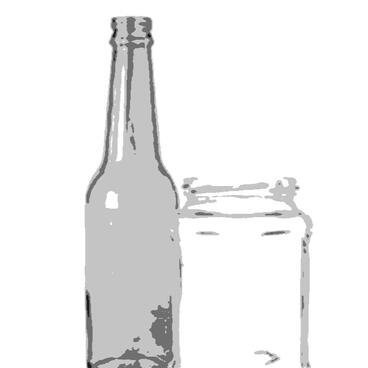
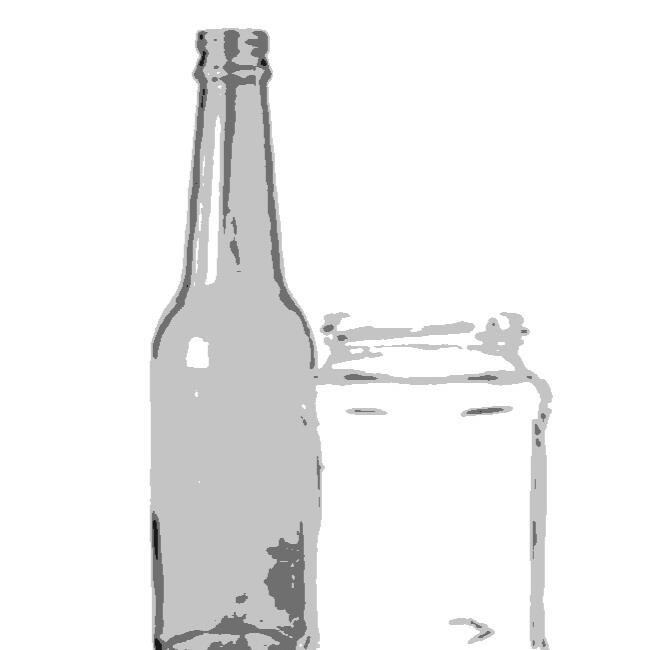
Bottles and JarsThat's it.
Wine bottles, beer bottles, olive-oil bottles, jam jars, pickle jars–the containers made to hold food and drink
Drinking glasses, mirrors, windows, ceramics, and cookware may look close enough. But they have different compositions and melting properties. They do not belong with container glass.
And unlike the other recyclable materials collected in the Oregon system: paper, plastic and metal, glass gets its own bin.
The reason:Glass survives in the system if its broken but those broken pieces when mixed with the other materials cause all sorts of problems.
RECYCLING GLASS
Clean
Dry
Substantial
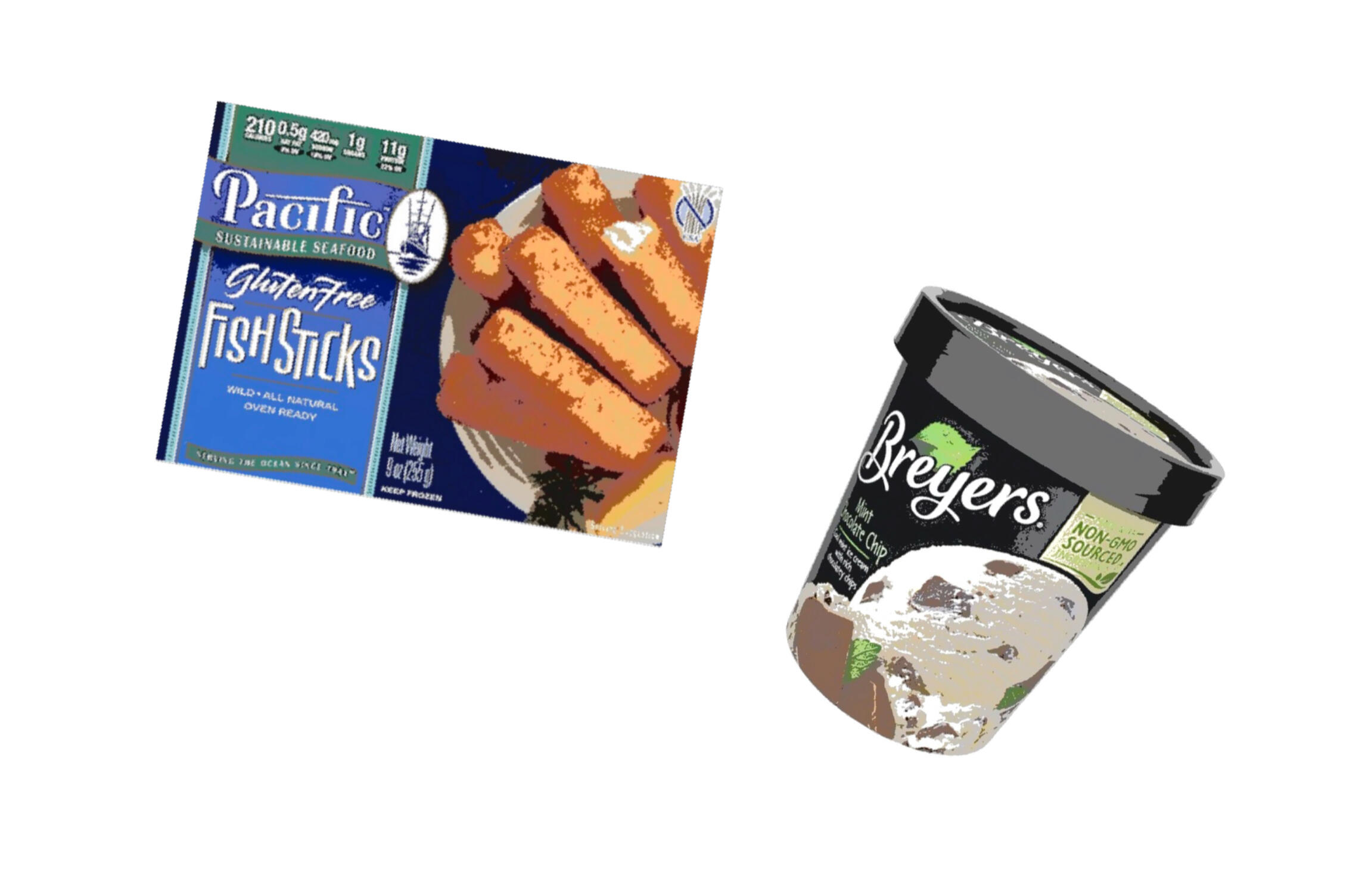
Some of these things
don't belong here.
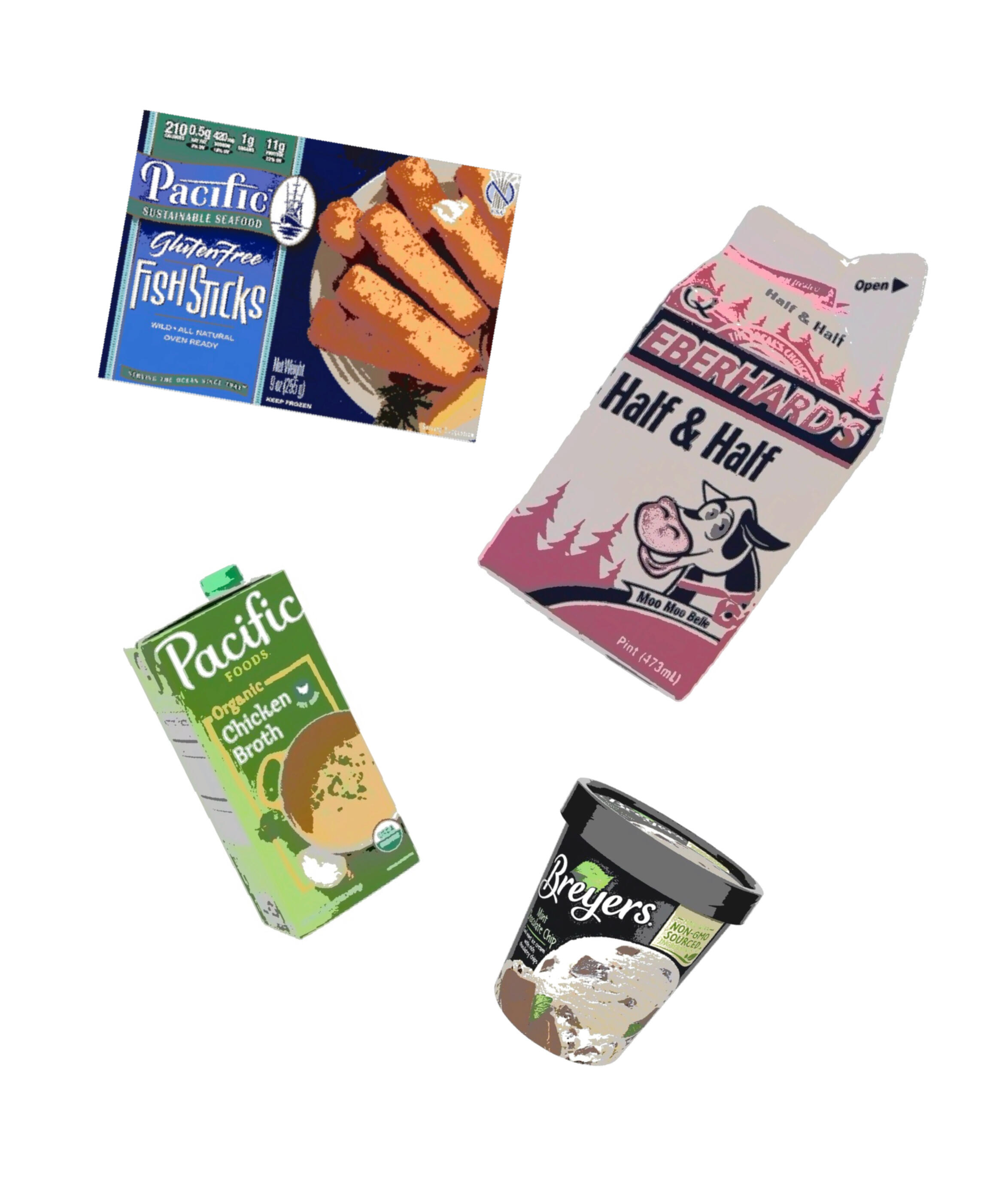
Can you tell which ones?
they all look like paper
They all keep food fresh
they're all coated to resist moisture
The Difference is the Design
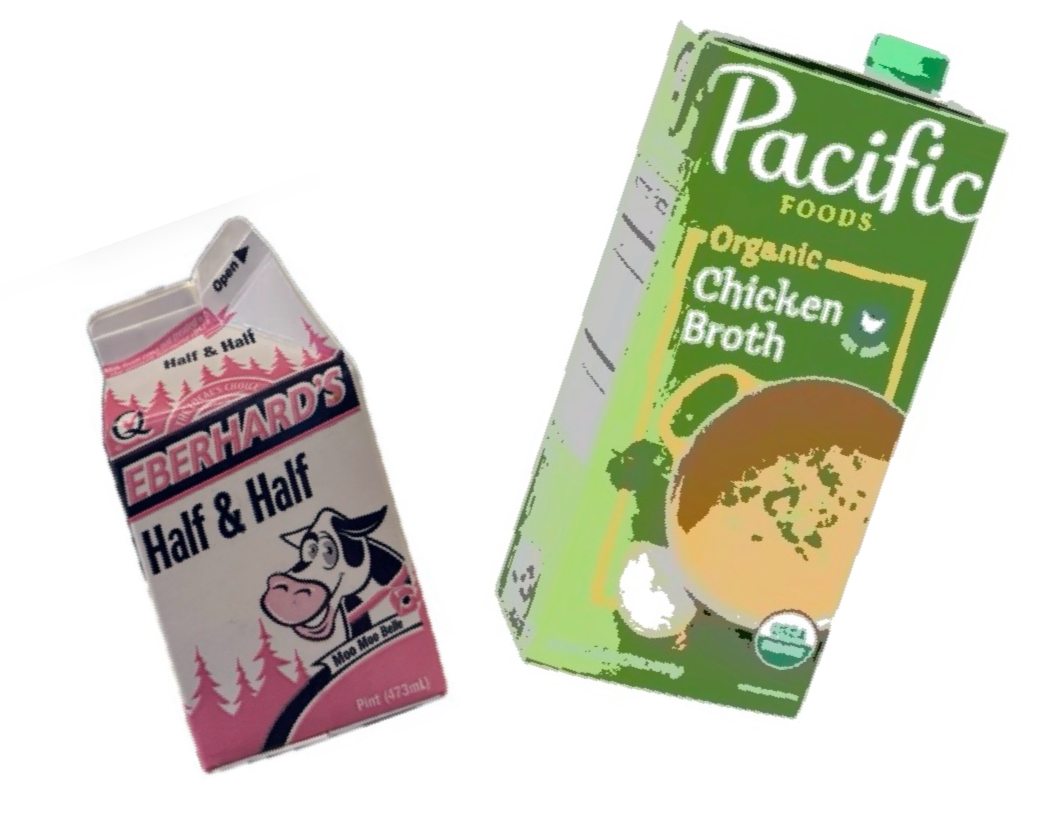
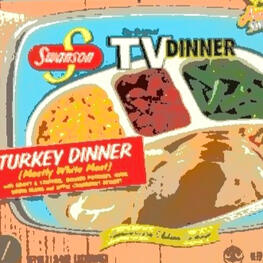
Milk and broth cartons are made in layers, allowing recyclers to separate and recover the paper fibers.Most frozen-food packaging uses coatings or combinations of materials that make the paper fibers difficult to separate and reuse.
Milk & Broth Cartons
YES
Frozen Food Packaging
NO
deep dive
Diving Girl adapted from Jantzen's historic Portland iconography– a small piece of our local visual history, repurposed here with appreciation.Jantzen Diving Girl ©/TM. are trademarks of their respective owner. Permission requested.
when in doubt
ask
use well
know more

bring your own
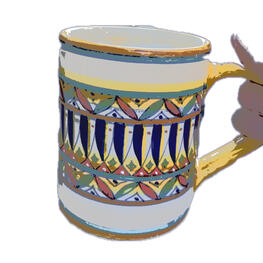
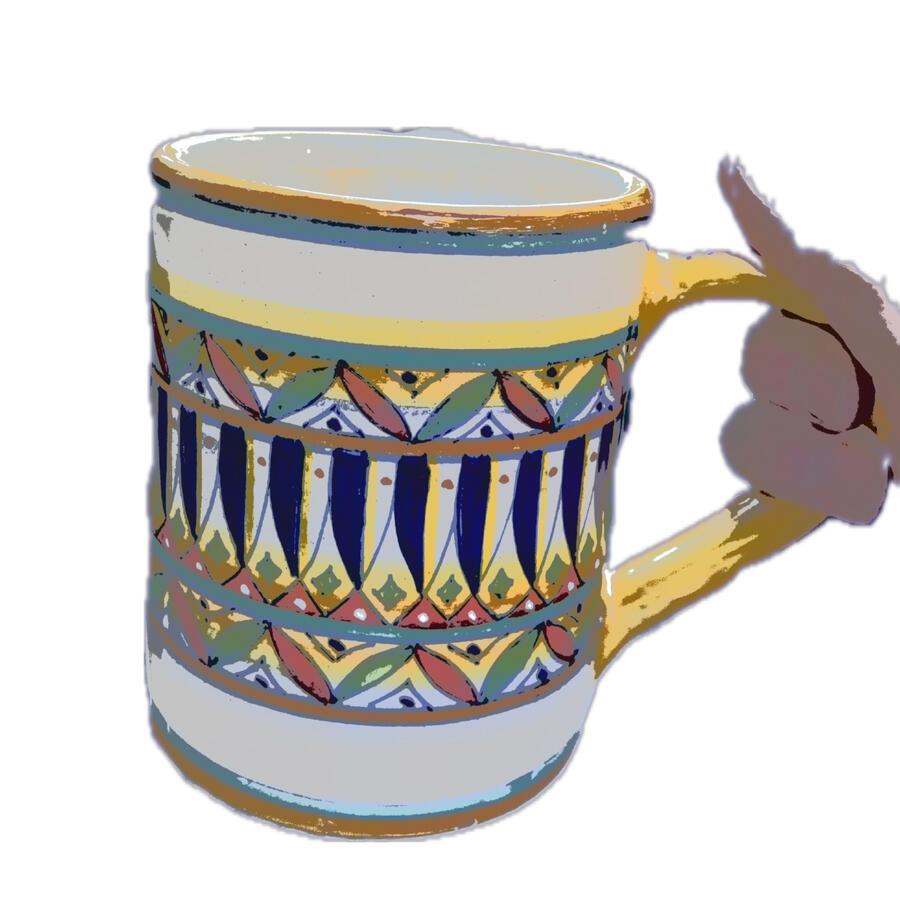
Take your favorite mug to the coffee shop–or keep a reusable cup or thermos with you when you’re on the go.And when your barista notices, ask them to snap a photo of you with your mug. Post it to Instagram, tag the coffee shop, and add #SiSuSuSiDoMore.Bringing your own eliminates the disposable paper cup, its plastic lining, and plastic lid.Small actions repeated often add up.
Diving Girl adapted from Jantzen's historic Portland iconography– a small piece of our local visual history, repurposed here with appreciation.Jantzen Diving Girl ©/TM. are trademarks of their respective owner. Permission requested.
notice the packaging
Before you buy it again, find out what the company says about the package.Start with the companies website. Search for answers to these questions:
What is the packaging made from?
How much of it is made from recycled materials?
Look specifically for PCR–post-consumer recycled content–material that has already been used and recovered.
Can it be recycled when its purpose has been served?
"Recyclable" doesn't necessarily mean it can be recycled where you live. Check METRO.
Promises or progress?
Is the company eliminating packaging, making it lighter, or offering refillable and reusable options–or simply replacing one disposable material with another?Are they tracking their impact? Look for a baseline year, a target date, and reported results.Ask: What does this company put into our waste system–and what responsibility does it take for what happens next?And after you've done all that research, read the sustainability report, deciphered the packaging claims and checked with METRO...maybe you don't need it after all.
Diving Girl adapted from Jantzen's historic Portland iconography– a small piece of our local visual history, repurposed here with appreciation.Jantzen Diving Girl ©/TM. are trademarks of their respective owner. Permission requested.
eat what you buy
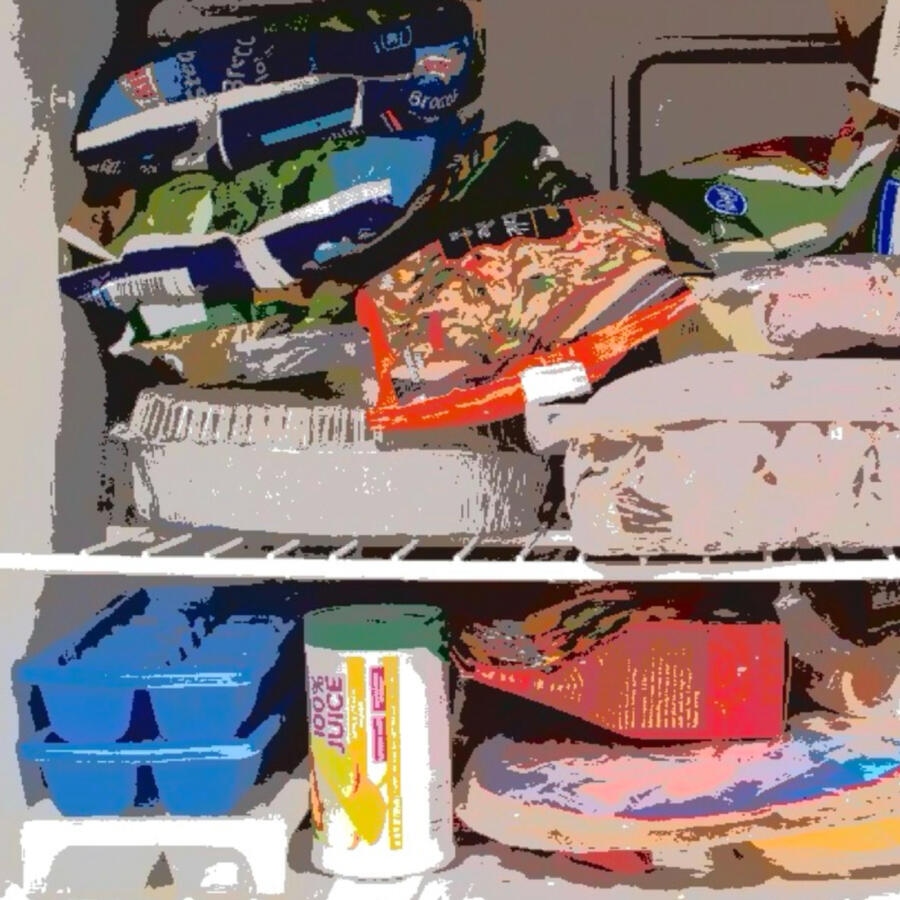
One of the most impactful things we can do for the climate is also one of the simplest:Consume what we already have.The average Oregonian throws away about 120 pounds of food at home each year.At the same time, roughly 1 in 8 Oregonians experiences food insecurity.For many of us, abundance feels like security. A full refrigerator. A freezer packed to the edges. Something extra in the pantry, just in case.But abundance can make food hard to find.We buy another package because we’ve forgotten the one buried behind the ice cream. We freeze leftovers and find them six months later covered in freezer burn.What gets thrown away isn't just the food–or what we paid for it.It's the land and water used to grow it. The labor to harvest and process it. The energy to package, transport, refrigerate and freeze it....only to throw it away in the end?
how to waste less
shop your kitchen first
make leftovers tomorrow's breakfast
buy what you will actually eat
keep the freezer useful, not stuffed
first in, first out
freeze it, label it, use it
compost scraps
Diving Girl adapted from Jantzen's historic Portland iconography– a small piece of our local visual history, repurposed here with appreciation.Jantzen Diving Girl ©/TM. are trademarks of their respective owner. Permission requested.

what type of tree is used to make paper
In the Pacific Northwest, paper often starts with what remains after logs are turned into lumber. Those logs come primarily from Douglas fir, western hemlock, true firs, spruce, and pine, with hardwoods such as red alder and cottonwood also contributing fiber.Sawmills produce chips, sawdust, shavings, and other wood by-products. Much of that material isn’t discarded. Wood chips can become pulp–the fiber used to make paper and packaging.But trees aren’t the only source of paper fiber. Paper can also be made from agricultural leftovers such as wheat and rice straw and sugarcane bagasse, as well as plants including flax and bamboo.Bamboo is often seen as a “green” alternative. It grows extraordinarily quickly and can be harvested in just a few years.But fast-growing doesn’t necessarily mean low-impact.Much of the bamboo used for papermaking is grown and processed in Asia. Turning it into pulp requires energy, water, and chemicals; transporting the finished fiber or paper adds another environmental cost. Some research comparing bamboo with wood-based fibers such as eucalyptus has found that bamboo paper can require more land and energy to produce.
Diving Girl adapted from Jantzen's historic Portland iconography– a small piece of our local visual history, repurposed here with appreciation.Jantzen Diving Girl ©/TM. are trademarks of their respective owner. Permission requested.
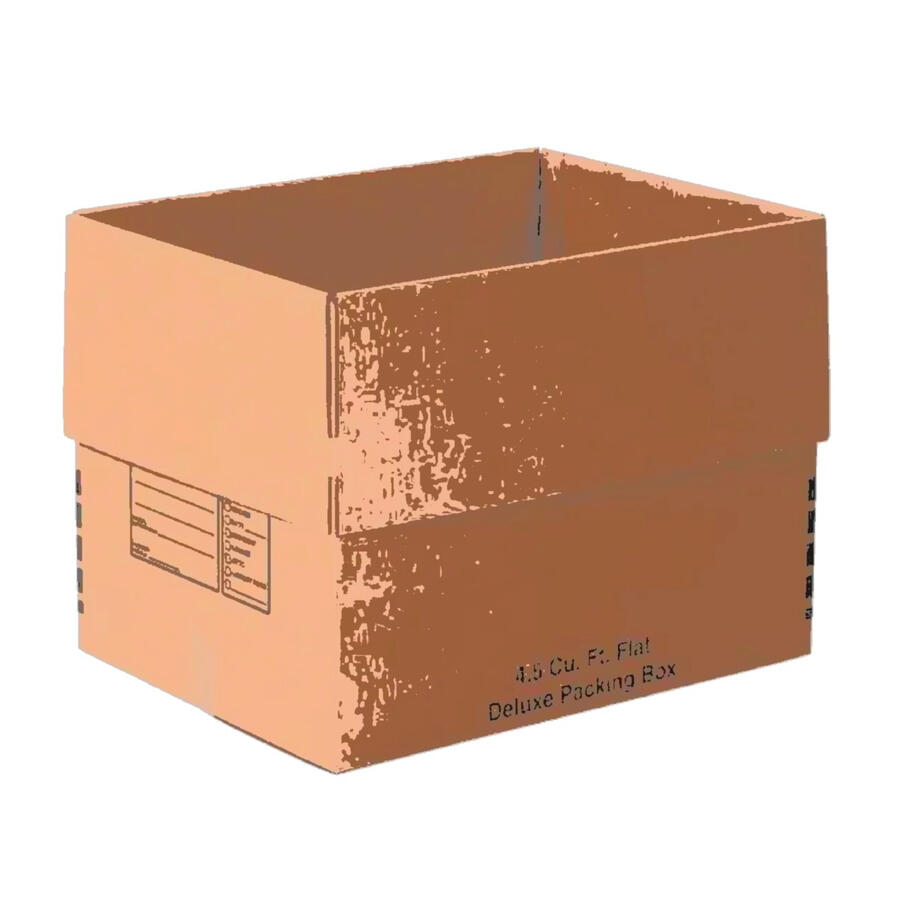
how much packaging do we consume ?
Online shopping has increased the amount of packaging we use and discard.Oregon DEQ specifically identifies the growth of e-commerce as a source of increased packaging use and waste. In Oregon, packaging accounts for an estimated 20-30% of household and business waste.Nationally, the numbers are similar. According to the U.S. EPA, containers and packaging account for 28.1% of municipal solid waste generated in 2018–more than 82 million tons a year. Paper and paperboard packaging alone accounted for 14.3% of the entire waste stream.Every online purchase requires something to contain, protect, and transport it: cardboard boxes, paper cushioning, plastic films, padded envelopes, and other shipping materials.
Diving Girl adapted from Jantzen's historic Portland iconography– a small piece of our local visual history, repurposed here with appreciation.Jantzen Diving Girl ©/TM. are trademarks of their respective owner. Permission requested.
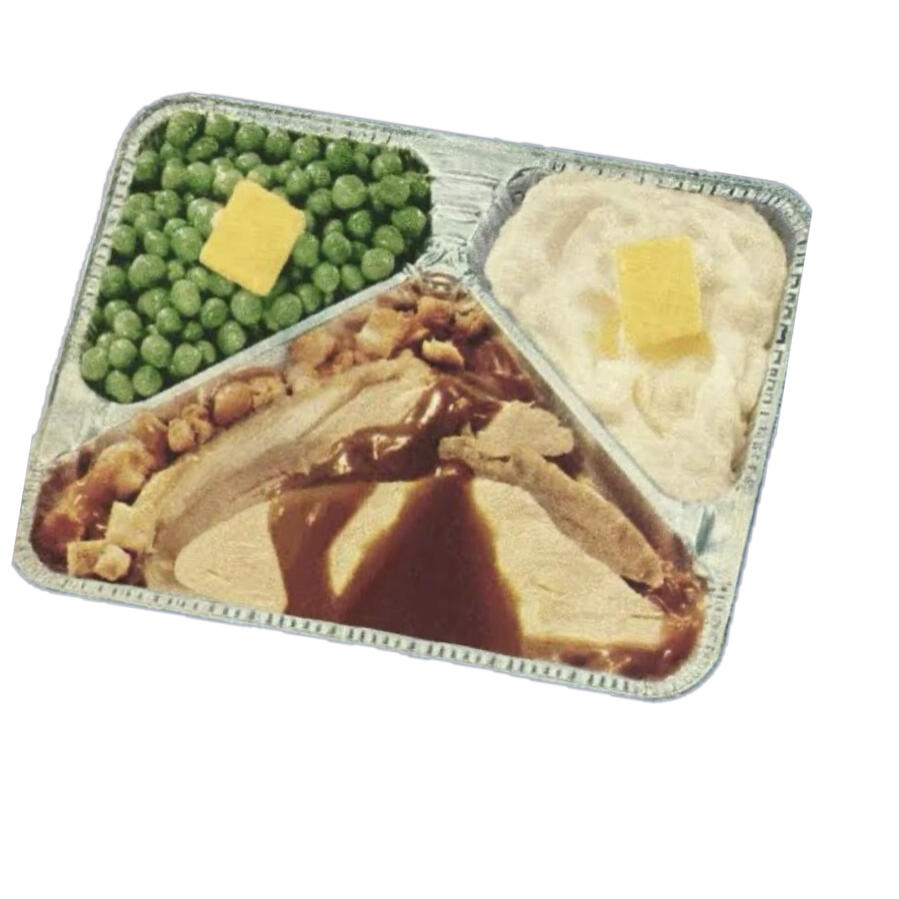
Why are frozen-food boxes different
Part of the answer:
A milk carton and a frozen food box seem to belong together; both are paper-based, and both hold food, but the similarity ends there.The dairy industry has long been tied to schools, public health, and regional identity. Milk, once a part of everyday life, came to symbolize trust. As consumption grew, so did the waste– and with it, the potential for that trust to erode.The dairy industry helped build a coordinated recycling system, working with packaging producers like Tetra Pak to ensure those cartons had a viable afterlife.A milk carton is designed to hold a perishable but relatively stable liquid: it needs protection from light and air, but not from extreme conditions.Its structure addresses those needs. Layers of paper provide rigidity, while thin films of plastic and sometimes aluminum create a protective barrier that delays disintegration. Paper fiber remains the dominant component. With the right infrastructure, those layers can be separated, and the fibers recovered. The packaging is complex but designed to come apart.Frozen food is a different species. Here, the promise is convenience: dinner, ready in under twenty minutes.To deliver that convenience, its packaging must endure freezer to microwave–moisture to heat. To perform under these conditions, it is often treated with polymer coatings or laminated layers that bond tightly to the paper substrate.These layers don’t separate easily. In the pulping process, water and agitation break down the paper into individual fibers. But polymer coatings resist water and remain bonded to some of those fibers. When the plastic is screened out, usable fiber goes with it.The frozen-food industry is also more fragmented. Unlike dairy, it spans everything from vegetables and pizza to ice cream and prepared meals. With so many different requirements, there is no simple path to recyclability.Until recently, the cost of disposal was largely absent from the producer's income statement. A company had to account for what it cost to make the package, fill it, ship it, and sell it–but not what it would cost to deal with that package once it was empty.Recycling is not driven solely by technical possibility; it is shaped by economics.Milk cartons, once processed, can yield fibers that retain value. Frozen food boxes tend to yield less recoverable fiber at a higher processing cost. In a market-driven system, the question is not simply whether it can be recycled, but whether it makes sense to do so.Oregon’s Recycling Modernization Act begins to shift that equation. Producers are increasingly responsible for the end-of-life impacts of their packaging. Materials that are harder to process may cost more than materials that integrate more easily into the system.The difference between a milk carton and a frozen food box, then, is not just about materials.It reflects a system of choices- what industries prioritize, what the infrastructure supports, what costs are accounted for, and what we, as consumers, choose and demand.
Diving Girl, A Portland Icon, repurposed.
Diving Girl adapted from Jantzen's historic Portland iconography– a small piece of our local visual history, repurposed here with appreciation.Jantzen Diving Girl ©/TM. are trademarks of their respective owner. Permission requested.
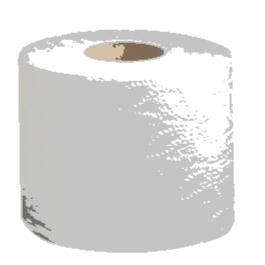
How much do we use?
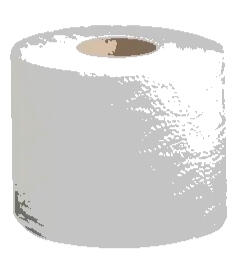
Toilet paper gets used once.
Then we flush it.Americans use an estimated 141 rolls per person each year–about 28 pounds of toilet paper.Most toilet paper sold in the US is still made primarily from new wood fiber.But it doesn’t have to be.Toilet paper can be made from recovered paper instead. In Halsey, Oregon, Georgia-Pacific makes ARIA toilet paper from 100% recycled fiber, primarily office and school paper. It earns an A+ from NDRC’s The Issue with Tissue Scorecard.Here is the curious part:ARIA is made in Oregon, but the company’s current retailer list identifies no Oregon brick-and-mortar retailer.
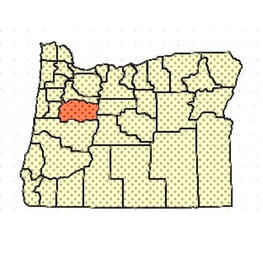
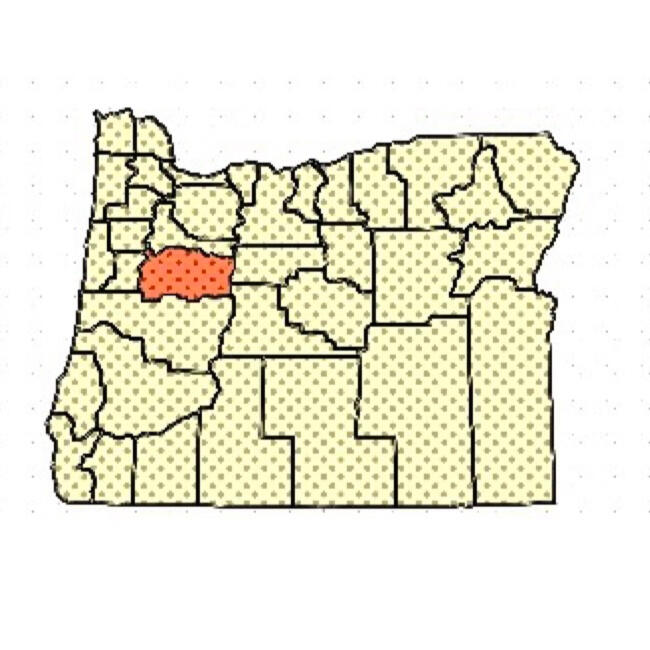
Georgia-Pacific employs hundreds of people making toilet paper and paper towels, including ARIA, a three-ply tissue made from 100% recycled fiber and packaged in recycled paper.The mill is growing. Georgia-Pacific announced a $150 million expansion to increase toilet-paper production.Koch, Inc., a privately held company based in Wichita, Kansas, owns Georgia-Pacific.Oregon has the resource.Oregon has the labor.However, the mill is not locally owned.What toilet paper are Oregonians buying?And where does that money go?
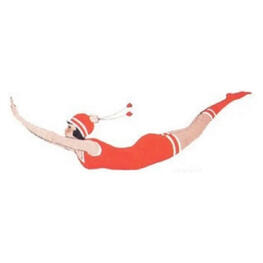
Diving Girl adapted from Jantzen's historic Portland iconography– a small piece of our local visual history, repurposed here with appreciation.Jantzen Diving Girl ©/TM. are trademarks of their respective owner. Permission requested.